

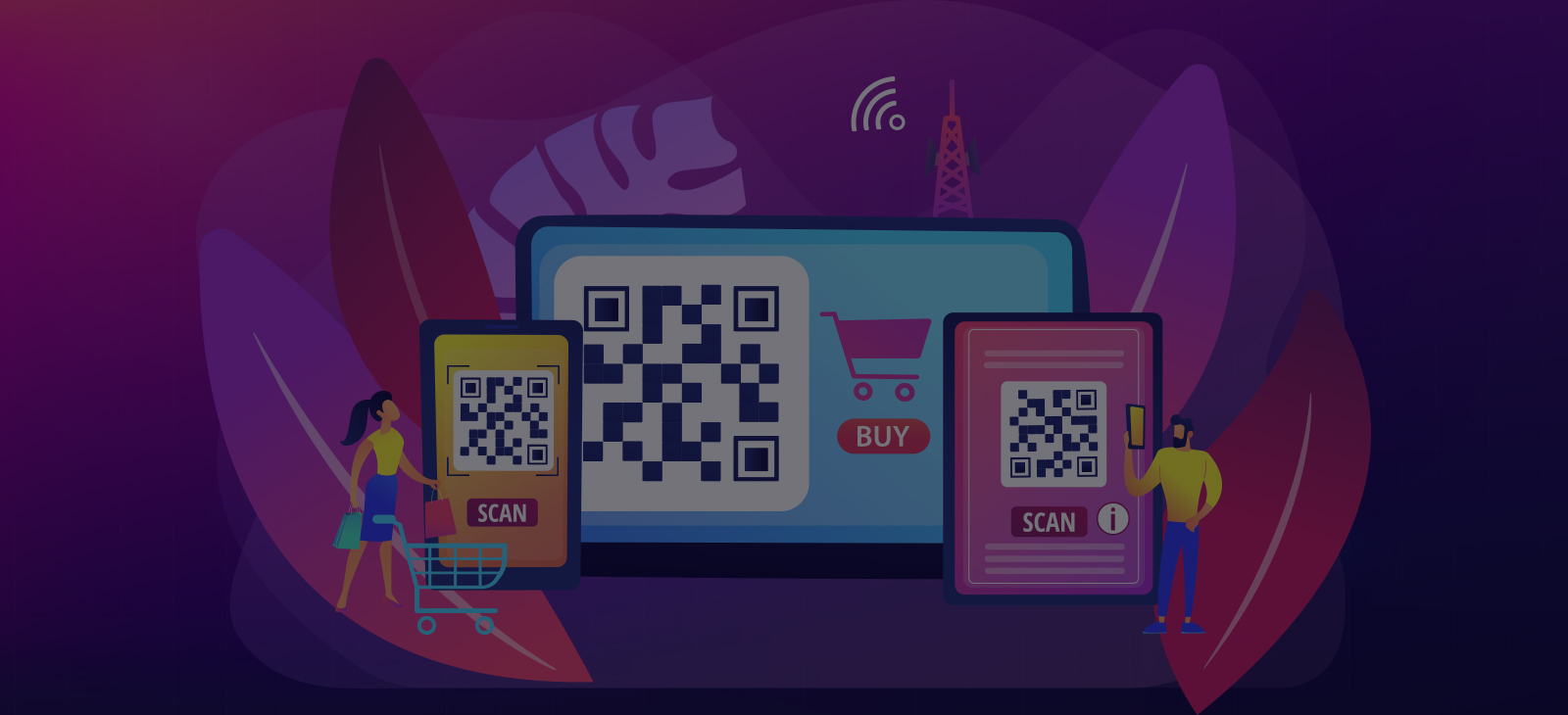
What Are QR Codes Exactly?
The QR code’s original purpose has broadened since its inception. Just as bubble wrap was invented to be textured wallpaper (yes, really!) but became a protective packaging material, QR codes were developed to replace traditional barcodes but became a contactless method for accessing digital information. Engineer Masahiro Hara created them in 1994 while working for Denso Wave, a subsidiary of the Toyota Group.
Hara’s two-dimensional matrix, inspired by the game Go, could store hundreds of times more data than a barcode, including alphanumeric characters, making it ideal for tracking components.

The QR Code Becomes Popular
From the creation of the QR code, Denso Wave decided that, although it retained patent rights, the corporation would not exercise them. This promise to the public was primarily due to Hara’s original intention that the pixelated square be available to as many people as possible without worry or issue. Because of this, QR code convenience exploded onto the scene of various industries worldwide. The ability to encode URLs, contact information, and text opened new possibilities beyond manufacturing.

Smartphones and the QR Code: A Perfect Pair
The real breakthrough for QR codes came with the rise of smartphones in the 2000s. With the advent of cameras and the widespread use of mobile internet, QR codes became an increasingly popular way for brands to connect the physical and digital worlds. Advertising, retail, and marketing companies found a shiny, new tool for the toolbelt. In the early 2010s, major brands began using QR codes for marketing campaigns, allowing customers to access exclusive content, promotions, or even make purchases.
The QR Code Becomes Less Popular
Clunky user experiences and compatibility issues caused many folks to step away from the invention. Users often needed to download specific scanning apps, which varied in quality and ease of use. Environmental factors, such as poor lighting, glare, or reflections, further complicated the scanning process, while damaged or partially obscured QR codes rendered many unreadable. These barriers created friction, discouraging users and limiting the technology’s practical appeal during its early years. In 2017, Apple and Android mobile operating updates improved the QR code experience, but the change wasn’t enough to bring it back from obscurity.

The QR Code Finds New Purpose: “Look Ma, No Hands!”
The QR code’s usefulness suffered, but it soon returned to the spotlight when the COVID-19 pandemic struck, and people adopted a hands-off approach to high-touch surfaces and objects. Restaurants widely utilized QR codes for digital menus to lessen the need for physical contact. Retail stores and healthcare providers found them handy for check-ins, virtual queues, and accessing information without direct interaction. These innovations highlighted the versatility of QR codes in furthering safe, touch-free customer experiences.
Goodbye Barcode, Hello QR code
The QR code’s resurgence and improved technology have made it a super-handy tool globally. Because of that, the barcode, which has identified products for the past 50 years, is expected to be replaced by its more advanced successor. While traditional barcodes can store only seven pieces of information, QR codes have a greater capacity, catering to today’s digitally savvy consumers seeking detailed product insights. According to GS1, the exclusive provider of Global Trade Item Numbers and barcodes, QR codes on food products can display ingredients, allergens, recipes, and more. Initially invented by Norman Joseph Woodland and later designed by George J. Laurer, the barcode has been a remarkable innovation, serving us well for half a century.

The QR Code: A Promising Future
The QR code has come a long way from its humble beginnings. It’s been embraced, rejected, and embraced again, proving its resilience and adaptability. Celebrating 30 years of innovation, the QR code has stood the test of time and evolved alongside new technologies. With AI advancements and the ever-expanding Internet of Things, the future of the QR code looks more promising than ever. We can’t wait to see what the future has in store for these up-and-coming squares.


