

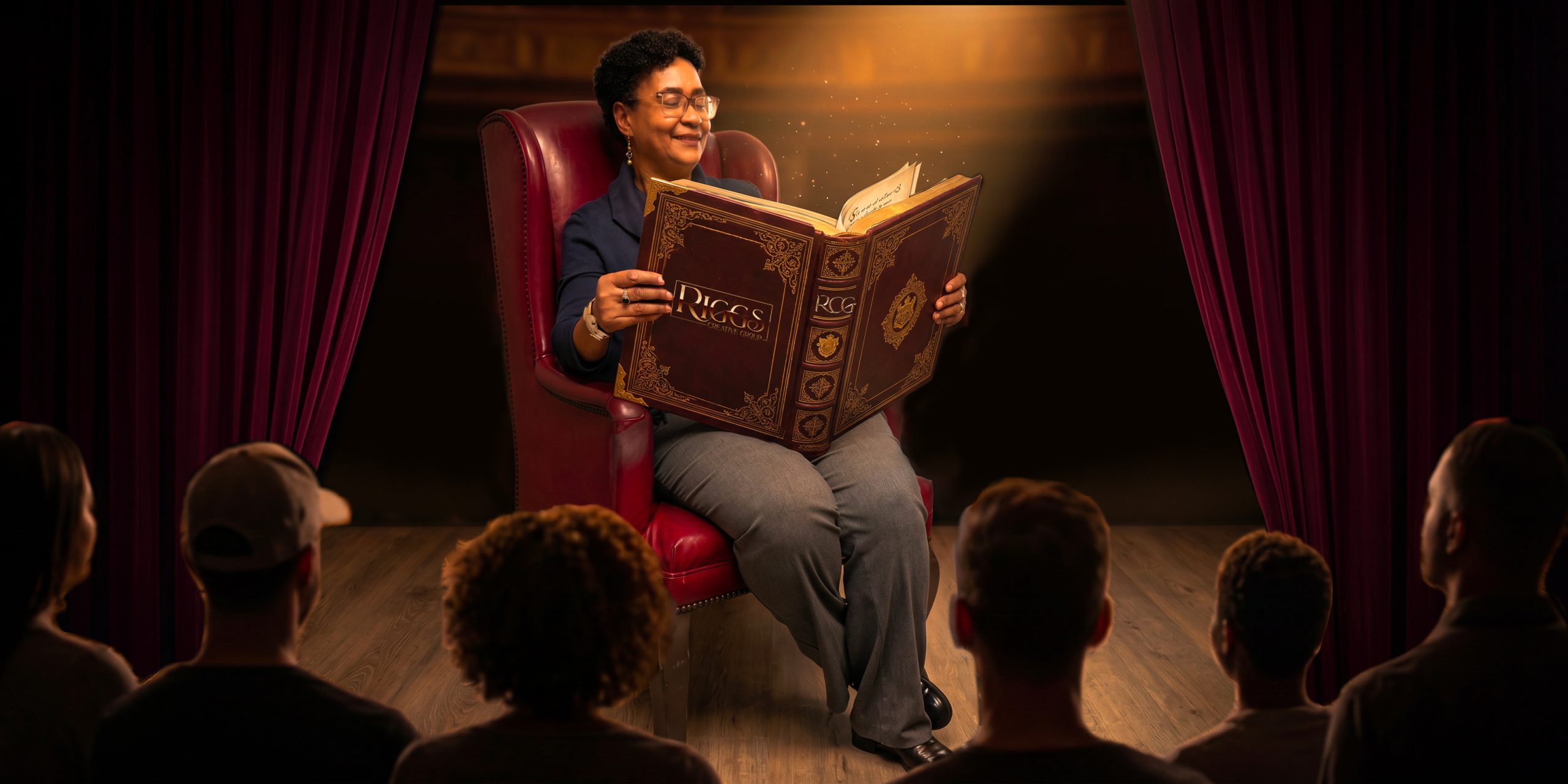
Marketing works the same way. You can present facts, data, and product features, but those elements alone rarely create a lasting connection. When businesses communicate through stories, they transform information into experiences that resonate with their audience.
Storytelling isn’t simply a creative flourish. It’s one of the most effective tools in modern marketing because it personalizes your message and helps audiences see themselves within your brand narrative.
Why Storytelling Works
Humans are wired for stories. Long before spreadsheets, slide decks, or social media analytics existed, storytelling was how people shared knowledge and passed down lessons.
Did you know?
Consumers retain information up to 22 times better when it is delivered through a story rather than through facts alone.
Storytelling-driven marketing can increase conversion rates by roughly 30 percent compared to traditional promotional messaging.
84 percent of people find brand stories more memorable than product information, and 80 percent feel more positive about a brand after engaging with its story.
Modern marketing research confirms this instinct. Stories work because they create emotional connections. Instead of simply describing a product or service, they illustrate how it impacts real people. In a crowded digital landscape where brands compete for attention, this makes storytelling far more memorable and impactful than facts alone.
Storytelling Makes Marketing Personal
Traditional marketing often focuses on features and benefits. Storytelling shifts the focus to people and purpose.
Rather than simply explaining what a business offers, storytelling demonstrates why it matters. It introduces characters, context, and meaning, turning marketing from a sales pitch into a shared experience. When done well, this approach builds trust and helps audiences feel emotionally invested in the brand behind the message.
What Effective Marketing Stories Include
While every brand’s story is different, most successful marketing narratives follow a similar structure.
They begin with a clear challenge or opportunity that gives the audience something to relate to. From there, the story introduces people who represent the brand or community, creating a human connection. Finally, the narrative shows progress or transformation, demonstrating how the challenge was addressed and what impact followed.
This problem-journey-resolution framework mirrors how people naturally process stories, making your message easier to follow, more engaging, and more memorable.
Storytelling in Action: Gloucester Catholic High School

A strong example of storytelling in action is our recent work with Gloucester Catholic High School.
Founded in 1926, Gloucester Catholic has spent nearly a century building a reputation rooted in faith, academic excellence, and a deep sense of community. As the school approached its Centennial year, leadership was not only looking to celebrate its legacy, but also to inspire the next generation of students and families to become part of that story. The challenge was clear: how do you capture 100 years of tradition, pride, and impact in a way that feels authentic, engaging, and relevant to prospective students and families?
Rather than relying solely on a traditional recruitment approach focused on statistics, programs, or facilities, we leaned into storytelling as the foundation of a broader, integrated strategy.
We created a recruitment video designed to showcase the heart of Gloucester Catholic and what it feels like to be part of the Ram community. Through “day in the life” footage, viewers experienced student life firsthand, allowing prospective students to better visualize themselves in that environment.

To support and extend that story, we upgraded the school’s website to better reflect its identity and create a cohesive digital experience. We also developed social media content and a monthly e-newsletter to carry that narrative across channels, ensuring consistent messaging while meeting audiences where they already are.
To deepen that connection, we captured testimonials from current students, alumni, teachers, and parents. These voices brought credibility and emotion to the narrative, highlighting personal growth, lifelong friendships, and the values that define the Gloucester Catholic experience. Instead of telling audiences that the school fosters leadership, faith, and service, we showed real examples of those qualities in action.
The Centennial milestone (commemorated by a grand Jubilee event) added another powerful layer, connecting past, present, and future through themes of tradition, pride, and continued growth. The result was more than a recruitment campaign. It became a unified narrative that reflected the school’s identity, celebrated its legacy, and invited others to join its next chapter.
The Takeaway
By focusing on real people, authentic experiences, and meaningful moments, storytelling transforms your message into something your audience can see themselves in. And when audiences can see themselves in your story, they are far more likely to take the next step.
Bringing Storytelling Into Your Marketing
You don’t need a film crew or elaborate production to start using storytelling in your marketing strategy. Often, the most compelling stories are already happening within your organization.
Customer success stories, employee experiences, behind-the-scenes moments, and community partnerships can all become powerful narratives. Testimonials, case studies, and day-in-the-life content give audiences a chance to connect with the real people behind your brand.
The key is authenticity. The best marketing stories don’t feel scripted or overly polished. They feel genuine, relatable, and rooted in real experiences.
Turning Stories Into Strategy
Storytelling isn’t just a creative technique. It’s a strategic approach that helps brands stand out, build trust, and deepen audience engagement.
When marketing focuses only on features and statistics, audiences may understand the message. But when marketing tells a story, audiences feel it and remember it.
How Riggs Creative Group Can Help
At Riggs Creative Group, storytelling is at the heart of everything we create. Whether we’re producing video content, developing brand messaging, or designing marketing campaigns, our goal is always the same: to turn ideas into meaningful narratives that connect with audiences.
If your organization has a story to tell, we’d love to help you share it.
Contact us today to learn how we can bring your brand story to life.
Author: Jeanelle Johnson
Date: April 24, 2026


